
2022! Yes, I know, I’m a little late with a new year’s post, but this one required some study. A new year is here! There is always something beautiful about a brand new year. Fresh. Clean. Full of new dreams and bursting with potential. On the 1st of each year, I am often reminded of a quote from one of my favourite movies – Anne of Green Gables – “Isn’t it nice to think that tomorrow is a new day, with no mistakes in it yet”.
As has been my habit for the last several years, a few weeks before a new year begins, I start asking God to give me a word to frame my new year. Something to build on and grow in. Last year the word was flourish – to grow luxuriantly, to thrive – and there was definitely a lot of growth that happened last year in so many different areas of my life. Following the very hard year of 2020, flourish was an encouragement and a reminder that even in the dry times, we can grow when God is present and working in us.
To say I had high hopes for this year’s word, would be an understatement! I was anticipating something like rejuvenation, or strength, or blessing, so when I first had this word drop into my heart, I was pretty sure I had misunderstood something. Discipline. Sorry, but I didn’t really like the sound of that. That sounded like work. Something unpleasant and uncomfortable. So, as we often do with unpleasant things, I dismissed it, ignored it, and kept looking forward to something “better”. Only it kept coming back. And from different sources too!
Finally, I sat down and spent some time in prayer and what came to me was this: What happens to a garden that is well cultivated after it has had unprecedented growth? It needs pruning. Stray tendrils need to be tied up or trained into trellises, over-reaching branches trimmed back, wilted blossoms removed, spreading runners returned to their borders, and walkways cleared. And I realized that, while discipline may seem like an unpleasant, hard word, it actually contains what we need to live well.
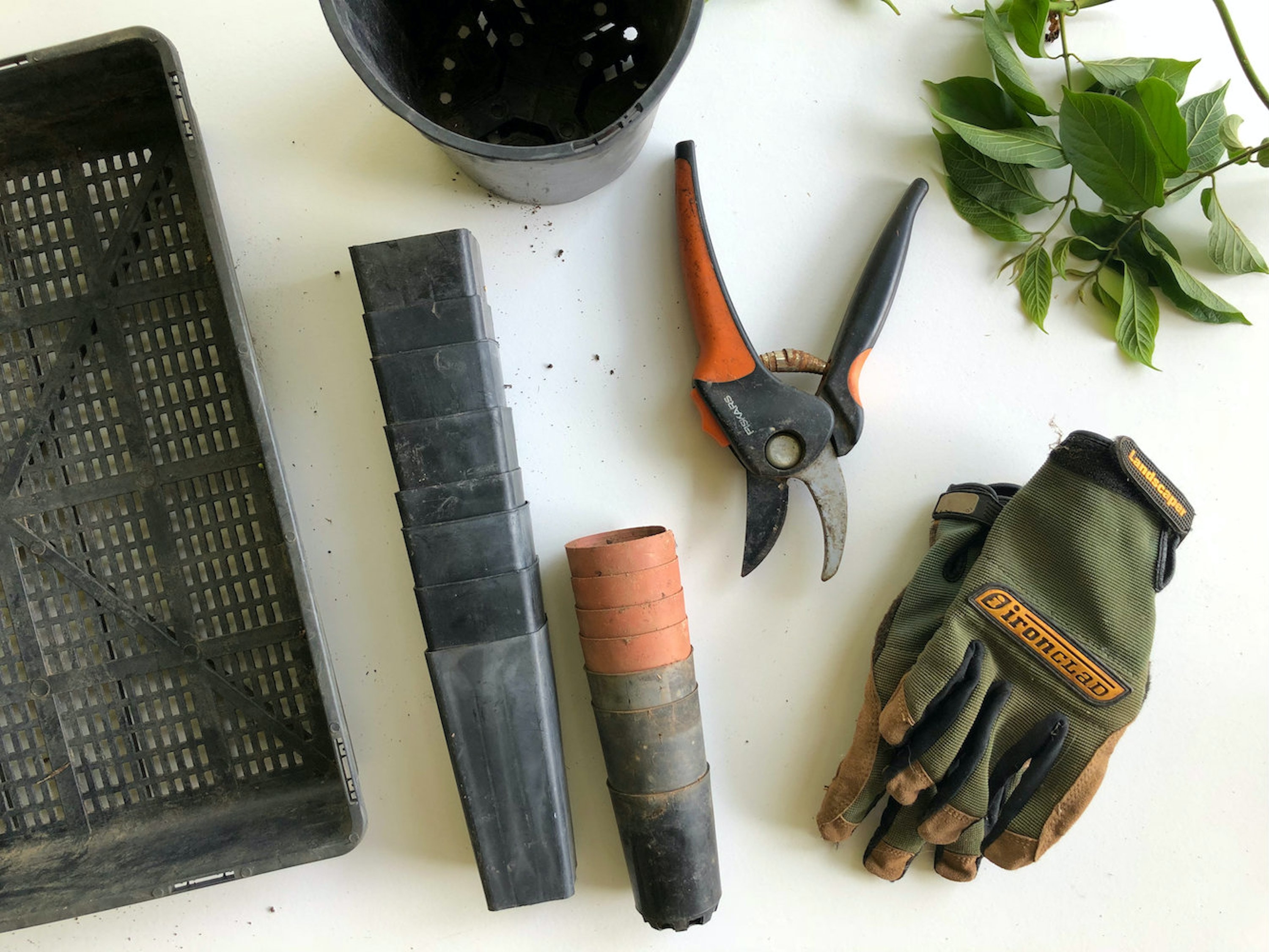
Discipline. I have spent the last few weeks studying discipline and I have found it fascinating. I know the first things that pop into my head when I read that word and they happen to be negative, due to my own experiences with “discipline” growing up. And I think that unfortunately, that is far too common. Discipline (as in the kind coming from an outside source and not self-discipline) has taken on a very negative connotation in our culture because it has been both improperly defined and executed. Discipline is often associated with punishment and infliction of pain, and I think it is important to distinguish the difference between punishment and discipline. While both may seem to be the same thing – correction – the heart behind them is different. Punishment can be administered without regard for the individual on the receiving end. It seeks to stop or correct something undesirable using deterrent measures – that is the goal. Discipline focusses on cultivating growth, seeking to correct in a way that both instructs in what is right and promotes positive change. And if it is administered in anger or out of a desire for retribution, then it is not truly discipline. Looking into the origins of the word, discipline was tied to instruction, teaching , and learning and is closely associated with the word “disciple”.
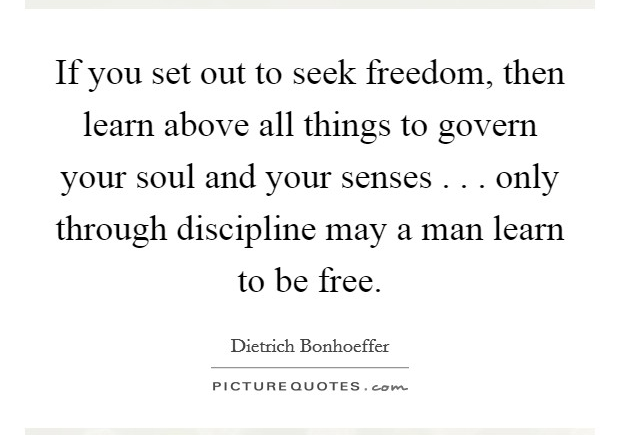
That’s not to say that there isn’t a measure of pain or discomfort that comes with discipline. Sometimes that is necessary in order to grow or learn. Anything that is worth doing will have a level of difficulty involved. But the difference is that the pain of discipline is the pain of learning that leads to freedom and to mastery – like the skinned knees of learning to ride a bike – rather than merely the pain of penalty for an offence.

A few weeks ago, I sat down to actually think about what discipline means to me in relation to parenting, but in the process, I found that the definition works well for every area of my life. Whether I am guiding and correcting my children, or trying to change a bad habit, reach a goal, build a relationship, or grow in a skill, these all apply. Because discipline is training. And just like an athlete cannot achieve optimum success without proper training, I can’t become the best “me” and make a difference without discipline. For me, discipline is:
- Training that is loving and respectful. This might sound strange when applied to uses outside of parenting, but when you think about it, it makes sense. I am not going to reach my goals in life by speaking negatively to myself or allowing myself to engage in self talk that is disrespectful or demeaning. I think sometimes we think that by punishing ourselves, we can force ourselves to become better people. But punishment doesn’t make me want to succeed, it just makes me want to avoid the pain of penalty and isn’t the best motivator. Jesus said to “Love your neighbour as yourself”, but if I don’t love myself, then this is a tall order. Because while I might love others and do things for them that show that love, it will be hard for all I do not to be tainted with the need for recognition, value, and acceptance from others – loving out of a need for reciprocity rather than from the firm foundation of knowing I am already loved. Discipline must come out of love and a desire to cultivate the best in myself and others.
- Training that is clear and direct. Have you ever asked someone for directions to get somewhere and had them give you vague and unclear instructions that were completely unhelpful? That’s what I think of discipline that is not clear. If I don’t have defined boundaries and clear goals, I will have no idea where I am going or how to get there. If I don’t set out clear expectations for my children, and then get upset when they don’t do something that I wanted them to do, I have no one to blame but myself. Discipline requires clarity and a finish line to run towards.

- Training that is firm. If you set a goal or boundary, but then constantly change it or allow it to be pushed or trampled, it isn’t firm. Discipline has to be firm. That doesn’t mean rigid and unchangeable if necessary, but if it’s not resolute, then how can growth be measured? I like to think of this as a standard to follow. Stepping outside of a boundary or standard that is firm requires follow up and consequence.
- Training that is consistent. I keep going back to the analogies of athletes in training. They set consistent routines that they follow diligently when they are training. They don’t change their routines, depending on their feelings. In the same way, I have to establish regular practices that will benefit me, my family, and those around me if I want to be effective at what God calls me to do. It’s not always the fastest, or the smartest, or the strongest that wins the race, but it is always someone that is consistent and dedicated.
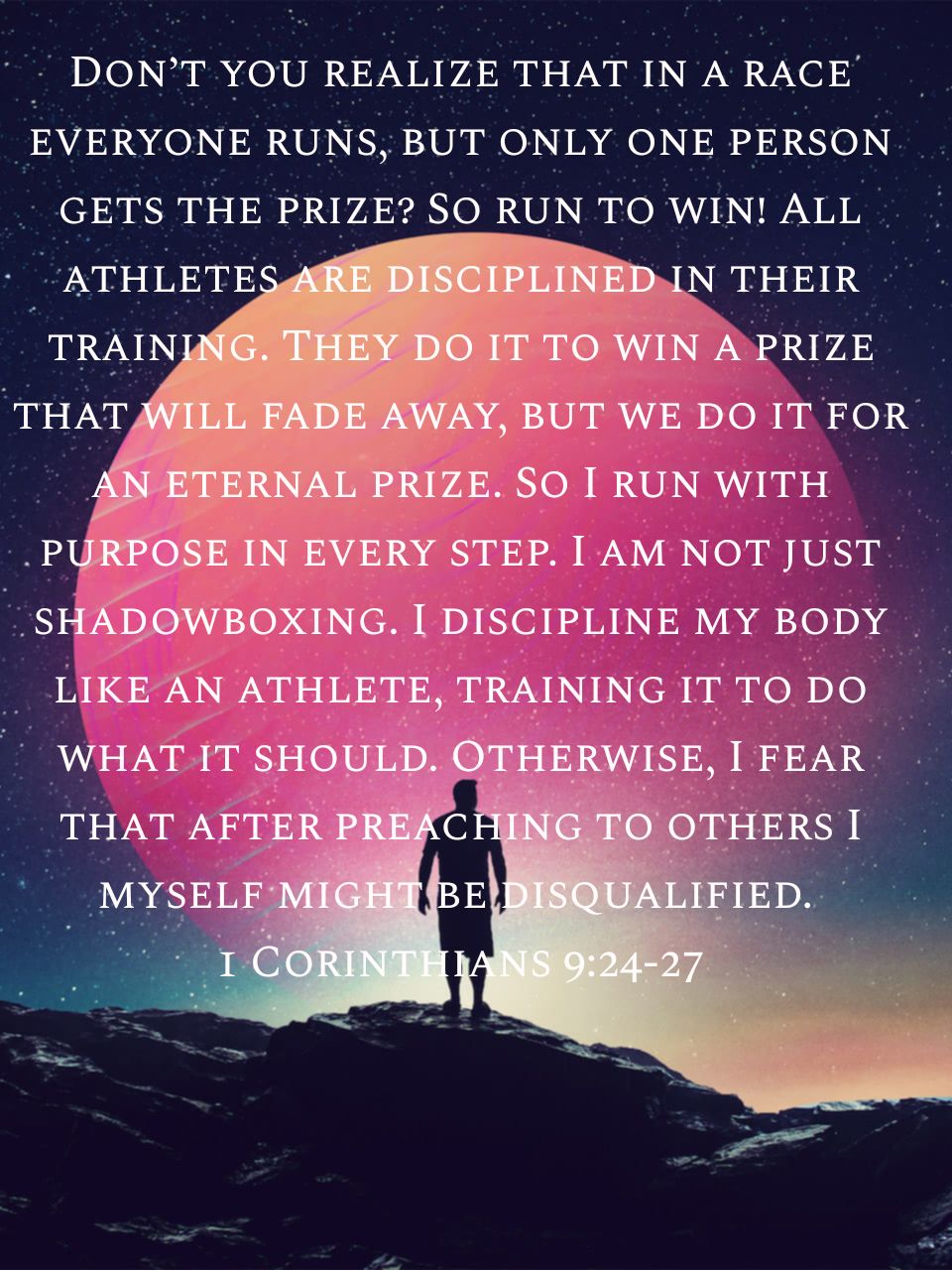
- Training that corrects. In a race or marathon, runners keep to their assigned lanes or the marked route of the race set beforehand. To deviate from that path can put them at risk of disqualification. Or they might head into unfamiliar territory and end up not even finishing their race. In the same way, discipline is what brings us back on track when we go off course. It guides us to return to the route that is best for us. The one planned out for us.
- Training that instructs. Discipline doesn’t just involve the what – the goal or destination in mind – but also the how. Instruction is to growth what water is to a seed in the ground. It is essential. You can just plunk a seed in the ground and yes, it might grow. But, if you water and tend that seed, nurturing it and caring for it, it will not only grow, but flourish.
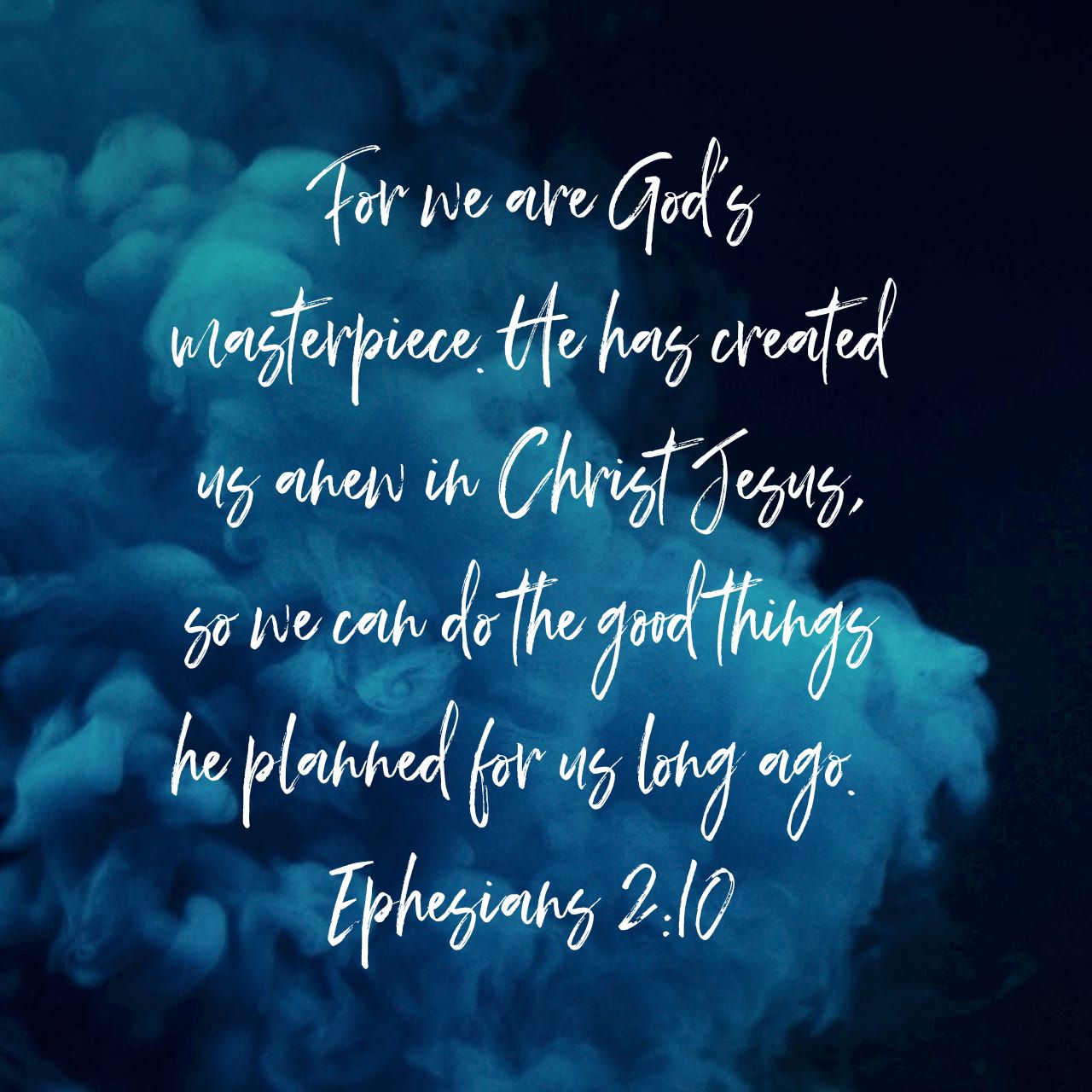
As part of studying this out, I looked up the word discipline in the dictionary and two of the definitions that stood out to me the most are these:
noun: training that corrects, molds, or perfects the mental faculties or moral character
verb: to train or develop by instruction and exercise especially in self-control
After completing this study on discipline, I knew that it was time to take a personal inventory and I found that there are many areas that have slipped into survival mode over the past few years. Areas that need containment and pruning. Areas that need reawakening, like unused muscles that must be stretched and exercised. It’s going to mean both developing self-discipline and opening the ears of my heart to hear. Surrendering to the Shepherd’s leading and course correction and running my race well. It’s time to make some changes.
Training that corrects, molds, or perfects. That sounds like a good place to start. And that is my prayer for this year – that I will be moldable, correctable, and filled with the perseverance to do the hard things that God calls me to do and that through this process, He will perfect me into the person he wants me to be. Happy New Year, my friends! Let’s see what 2022 brings!

 Of Shattered Things
Discipline isn’t necessarily fun, but the end result of it can be enjoyable!
LikeLiked by 2 people
Yes, that is so true. And sometimes that end result is what we have to keep in mind to push through the difficult times.
LikeLiked by 1 person